Engineering Services for Aerospace and Defence in India
Precision 3D Scanning and Validation for Mission-Critical Components.
What Aerospace and Defence Programs Need From an Engineering Partner
Mission-critical engineering support built for legacy part obsolescence, structural weight reduction, and zero-failure-tolerance validation.
Aerospace and defence programs run on legacy platforms with long service lives, which means engineering teams routinely face parts with no surviving CAD data, drawings tied to obsolete suppliers, or turbine and engine components that have been in service for decades without a digital twin. APJ 3D's role in these programs is to close that gap: reverse-engineering flight-critical components to production-tolerance CAD, validating dimensions against original design intent, and delivering AS9100-aligned documentation that survives an airworthiness or design-review board.
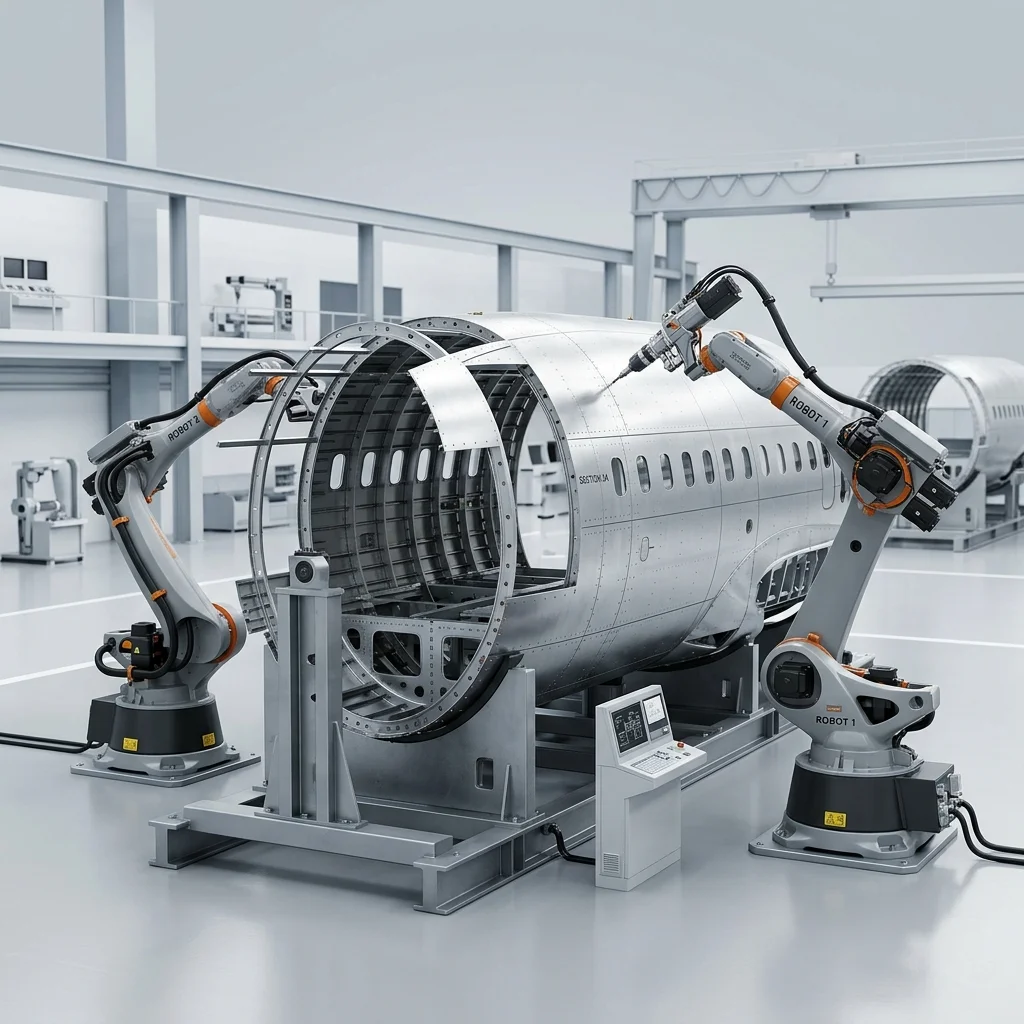
We also support lightweighting initiatives — using topology optimisation and material substitution studies to strip mass from brackets, housings and structural members without eroding the fatigue life or structural margins those parts were qualified against. For manufacturing and MRO teams, we run dimensional metrology, NABL-accredited material testing, and non-destructive CT inspection to confirm a part — new-build or overhauled — meets the tolerance band a mission-critical system demands.
AS9100-Aligned Documentation
Dimensional reports, traceability records and inspection data structured to hold up under airworthiness and defence design-review scrutiny — not generic scan output.
Flight-Critical Reverse Engineering
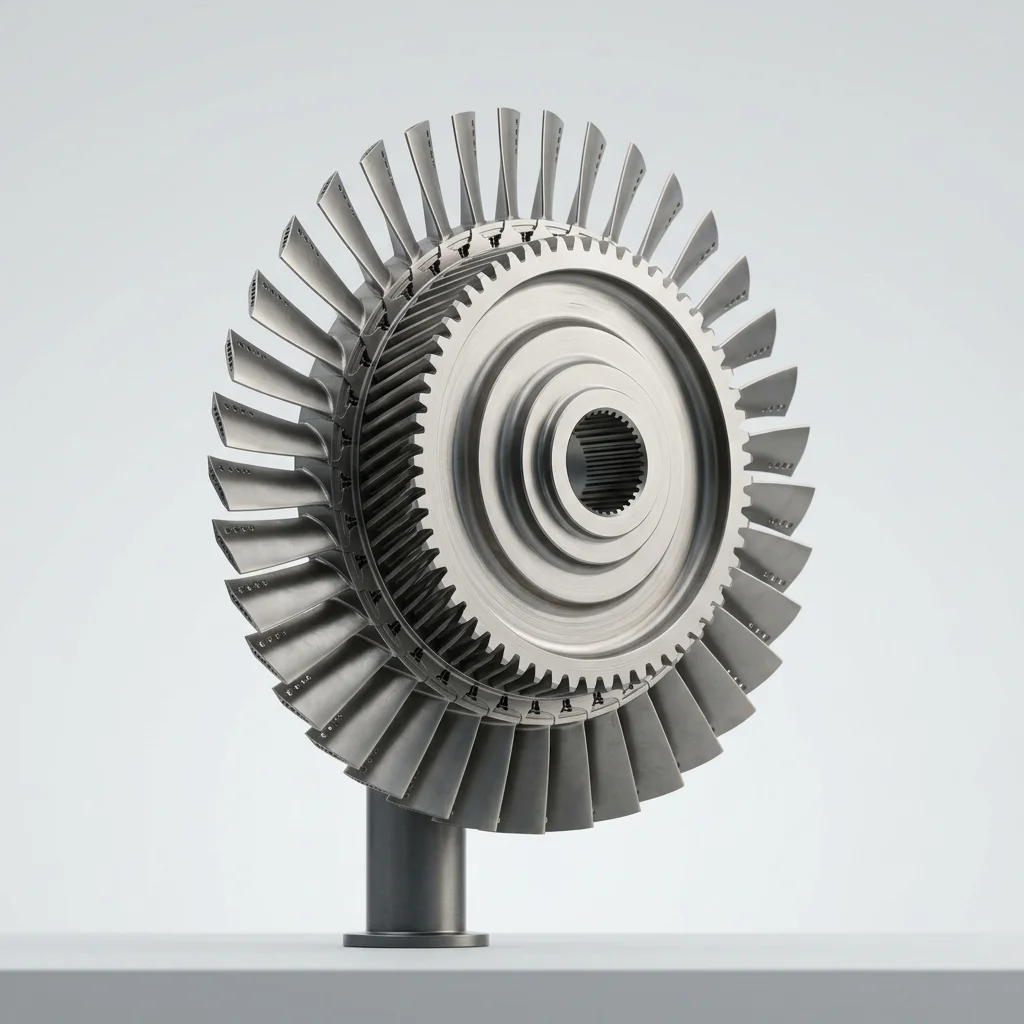
Scan-to-CAD reconstruction of obsolete or undocumented parts, including turbine and engine components, back to GD&T-compliant, production-tolerance models.
Lightweighting Without Losing Margin
Topology optimisation and material studies that reduce structural mass on brackets, housings and airframe members while preserving qualified fatigue and structural performance.
AS9100-Compliant Reverse Engineering vs. Standard 3D Scanning
Not every scan-to-CAD job needs airworthiness-grade rigor, but a flight-critical or defence-programme part does. A generic 3D scanning pass and an AS9100-aligned reverse-engineering engagement produce very different deliverables, even from the same point cloud.
Aerospace and Defence Engineering Has
No Tolerance for Tolerance
The manufacturing and validation of mission-critical systems demands absolute precision. From structural integrity to stringent regulatory compliance, there is no margin for error in the aerospace and defence sectors. We ensure every dimension, material, and system meets exact specifications.
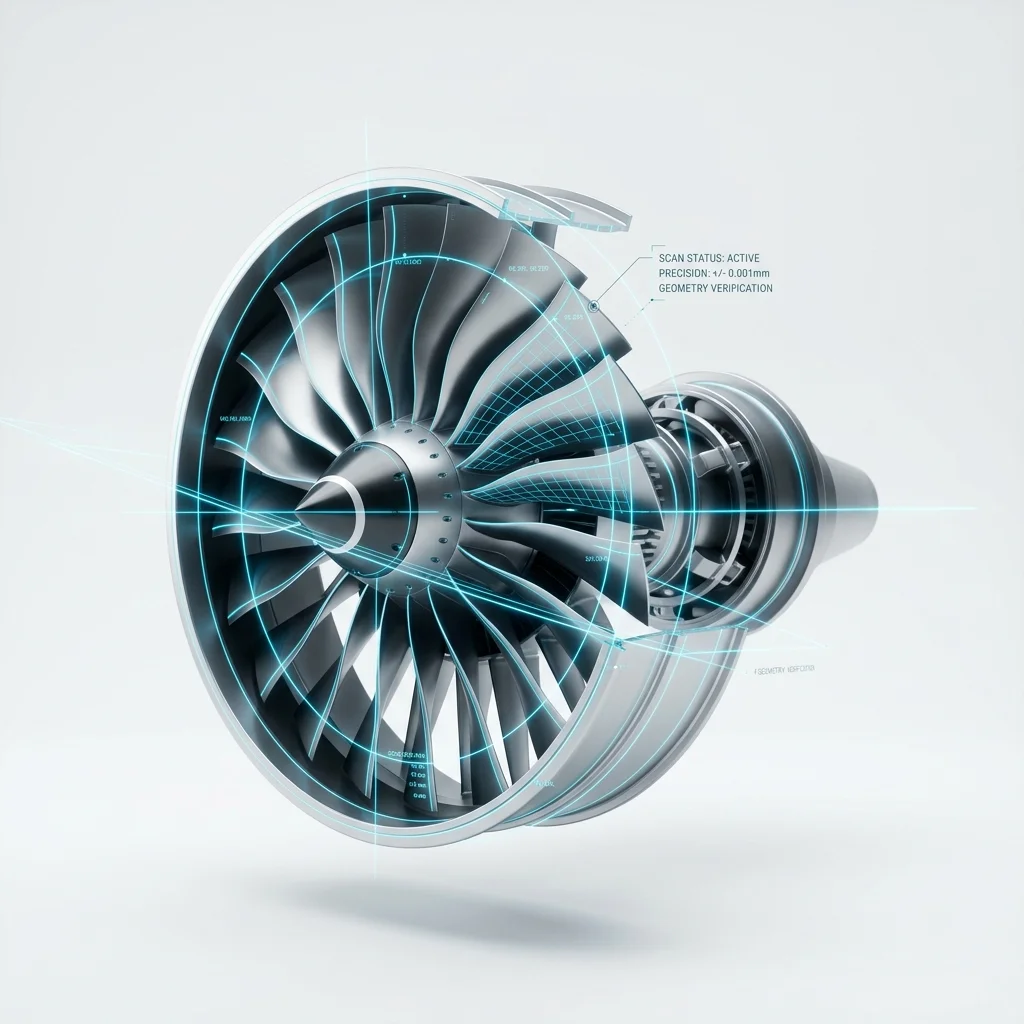
Structural Accuracy
Sub-millimeter precision in dimensional validation and reverse engineering.
Mission Critical
Zero-failure tolerance for critical defence and aviation systems.
Complete Traceability
Comprehensive reporting and AS9100 compliant documentation.
Regulatory Compliant
NABL accredited testing exceeding industry defense standards.
Proven Experience Across
Aerospace and Defence Programs
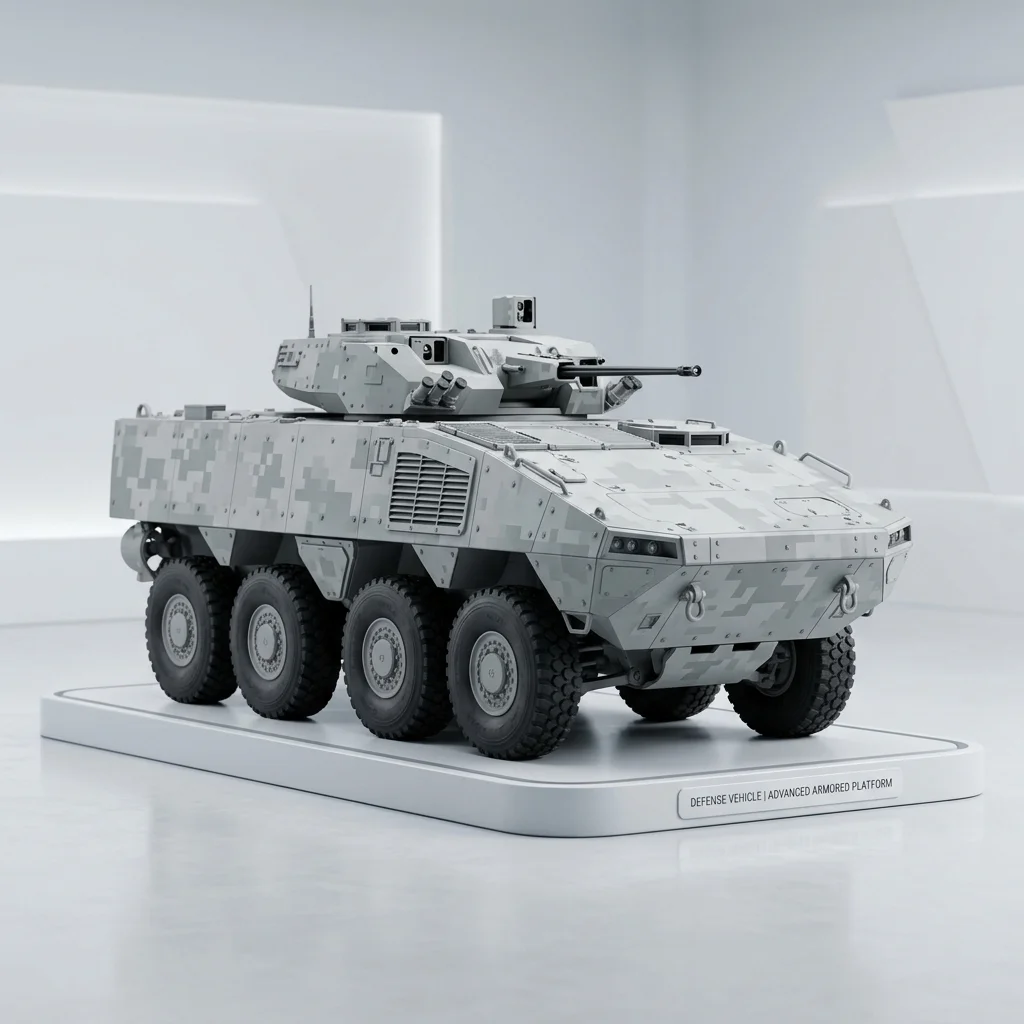
Defence Vehicle Exterior Scanning
High-accuracy 3D scanning of heavy defence vehicles for armor retrofitting and structural assessment, ensuring seamless integration of defensive upgrades.
Jet Engine Component Alignment
Precision laser tracker alignment and inspection of critical jet engine assemblies to verify tolerances prior to final integration.
Aerospace Material Testing
Comprehensive NABL accredited testing of advanced aerospace alloys and composites for structural integrity and regulatory compliance.
All projects executed under strict confidentiality agreements. No client, platform or programme information disclosed.
Technology Built for
Aerospace Accuracy
Four instrument classes cover an aerospace or defence programme end to end: the ZEISS T-Scan Hawk for deep-pocket and dark-surface geometry, the FARO Vantage laser tracker for large-assembly alignment at up to 300m range, the ZEISS METROTOM CT scanner for internal defect detection without cutting the part open, and Creaform HandySCAN for field-deployable capture on aircraft or vehicles that can't come to the lab.
Why Aerospace and Defence Teams
Choose APJ 3D
Confidential Defence
Project Experience
FARO Laser Tracker Alignment Capability
Industrial CT Inspection Expertise
NABL & ISO Accredited Testing
Dedicated Aerospace Engineering Teams
Pan India Deployment Support
How Aerospace Projects
Are Executed
Discussion
Review
Assessment
Testing
Reporting
Deliverables
Aerospace & Defence
Segments
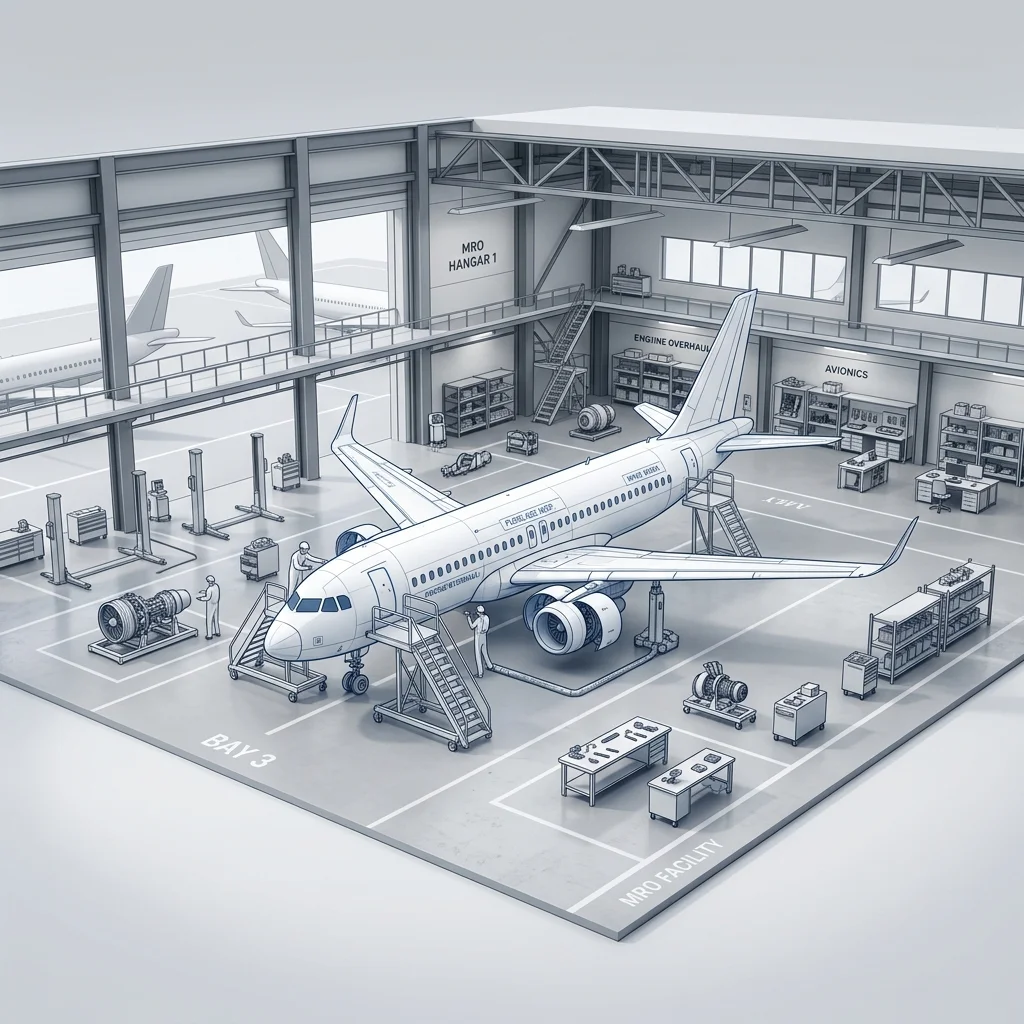
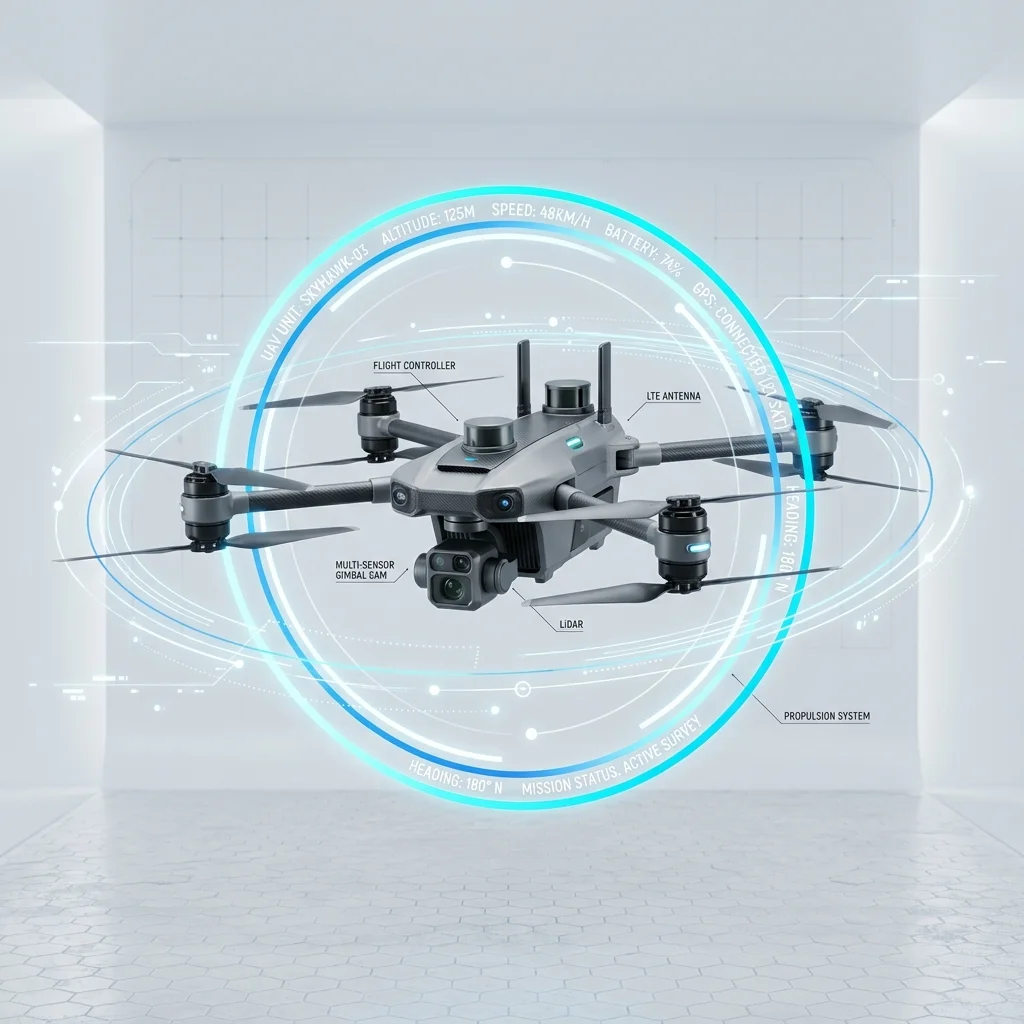
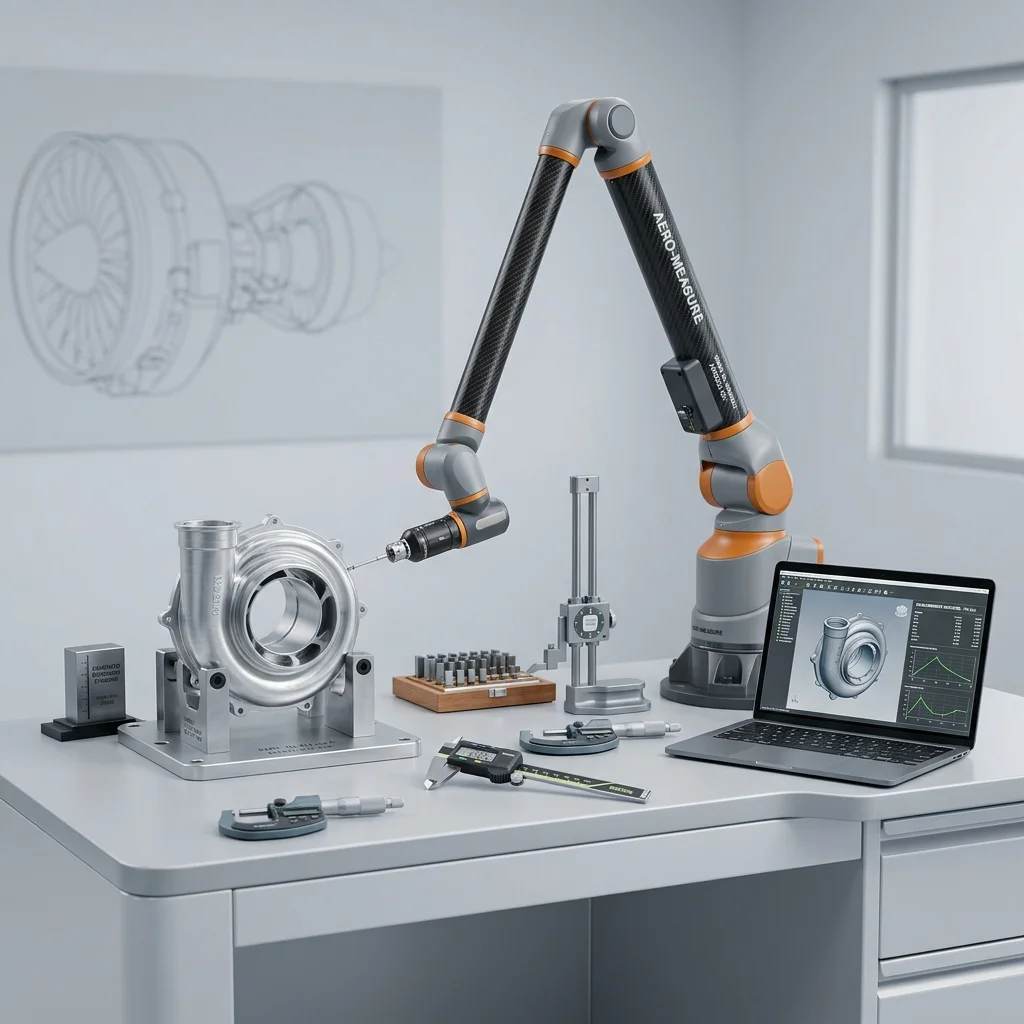
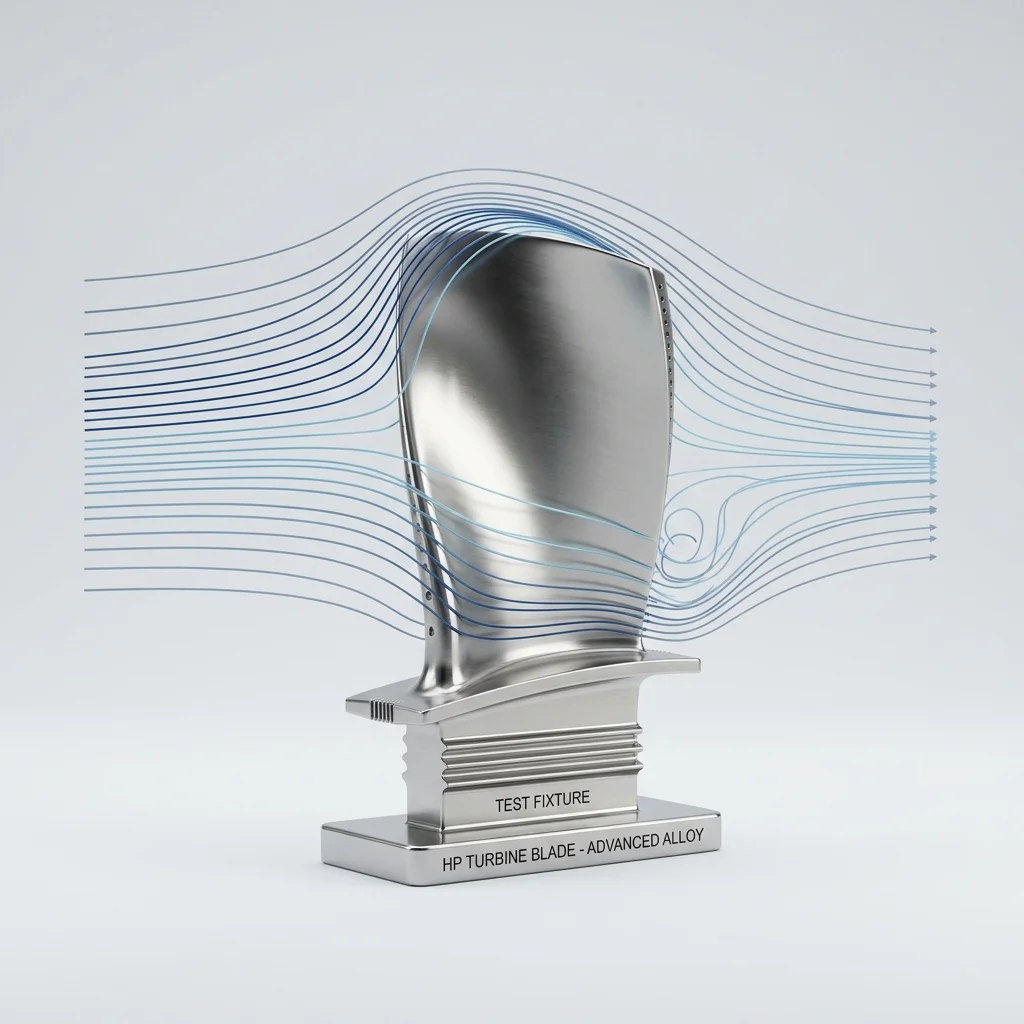

What is Aerospace and Defence Engineering Services India?
Aerospace and Defence Engineering Services cover the reverse engineering, 3D scanning, and validation work needed to keep mission-critical, long-service-life platforms flying, including rebuilding production-tolerance CAD for parts with no surviving data and delivering AS9100-aligned documentation for airworthiness review.
When to Select This Service
Choose this engineering support when legacy aircraft or defence components lack CAD data, suppliers have gone obsolete, or structural weight reduction and zero-failure-tolerance validation are required before a design-review board.
Technical Capabilities & Verification Standards
Verified engineering parameters, hardware precision, and compliance benchmarks applied across all deliverables.
| Engineering Parameter | APJ 3D Capability & Precision Range | Compliance Standard / Verification |
|---|---|---|
| Legacy Part Reverse Engineering | Scan-to-CAD reconstruction of obsolete or undocumented parts, including turbine and engine components, into GD&T-compliant models | Design-Intent CAD Reconstruction |
| Dimensional Inspection & Alignment | Laser tracker alignment and inspection of critical jet engine assemblies and defence vehicle structures | FARO Laser Tracker Verified |
| CT & Non-Destructive Inspection | Industrial CT inspection for internal defect detection without part disassembly | Non-Destructive Testing |
| Material Testing | NABL-accredited testing of aerospace alloys and composites for structural integrity | NABL-Accredited Lab |
| Lightweighting Simulation | Topology optimisation reducing structural mass on brackets, housings, and airframe members while preserving fatigue performance | Structural Performance Preserved |
| Documentation & Traceability | Dimensional reports, traceability records, and inspection data structured for airworthiness and defence design-review scrutiny | AS9100-Aligned Documentation |
Frequently Asked Questions
What aerospace and defence engineering services does APJ 3D provide?
What aerospace and defence engineering services does APJ 3D provide?
Can APJ 3D reverse-engineer an obsolete aerospace or defence part that has no original CAD or drawings?
Can APJ 3D reverse-engineer an obsolete aerospace or defence part that has no original CAD or drawings?
How does APJ 3D handle confidential or defence-sensitive projects?
How does APJ 3D handle confidential or defence-sensitive projects?
What is the typical turnaround for aerospace scanning, inspection or reverse-engineering projects?
What is the typical turnaround for aerospace scanning, inspection or reverse-engineering projects?
Flight-Critical Precision Starts Here
From jet engine component alignment to defence vehicle scanning and AS9100-compliant inspection — APJ3D brings metrology-grade accuracy to your most demanding aerospace and defence programmes.